

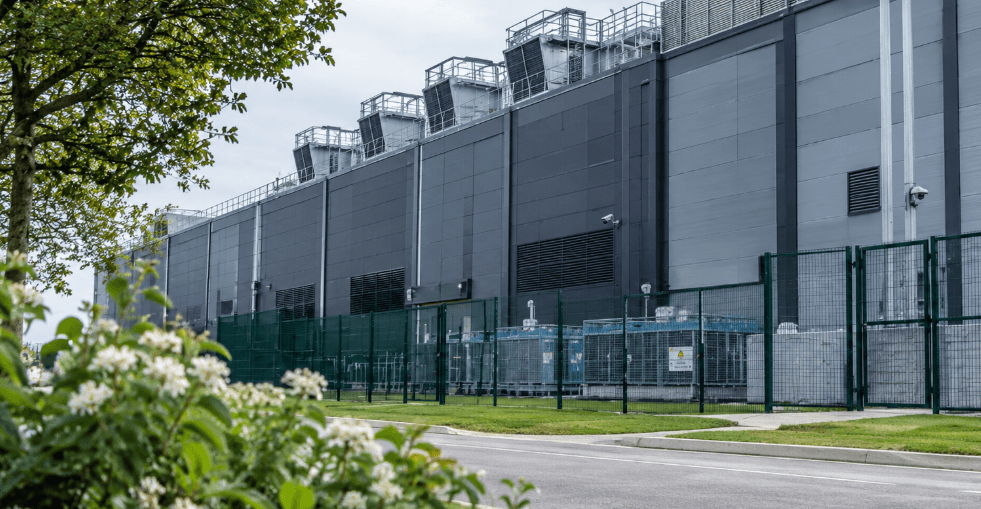
The UK government has rejected calls for a nationwide public consultation on the environmental impact of artificial intelligence (AI) data centres, despite a petition attracting more than 39,000 signatures.
Ministers have maintained that environmental concerns should be addressed through existing planning procedures, as Britain continues to expand its digital infrastructure to support economic growth and technological innovation.
Government Rejects Calls for Nationwide Environmental Review
Environmental campaign group Protect the Wild launched a parliamentary petition calling for a national consultation to examine the environmental consequences of expanding AI data centres across the country.
The organisation also called for consideration of restrictions or a temporary halt to further developments until their environmental impacts are properly understood and addressed.
The petition surpassed the 10,000-signature threshold required for a government response within three days.
In its response, published on 23 November 2026, the government rejected the proposed nationwide consultation, arguing that environmental assessments should be conducted through individual planning applications.
Ministers instead highlighted an existing consultation on the draft National Policy Statement for Data Centres, which remains open until 8 January 2027.
Data Centres Considered Essential to UK Economic Growth
The government maintains that expanding data centre capacity is essential to strengthening Britain’s digital economy, supporting public services and improving national technological resilience.
Officials argue that investment in digital infrastructure will help the UK capitalise on emerging opportunities in artificial intelligence while supporting employment and innovation.
However, the government has acknowledged that data centre developments can have significant environmental consequences that require appropriate mitigation.
Data Centre Covenant Sets Environmental Expectations
The government’s Data Centre Covenant establishes several expectations for operators developing new digital infrastructure.
These include covering additional energy costs generated by their facilities, investing in local communities, maintaining high environmental standards, creating employment opportunities and ensuring secure access to computing resources.
Although all operators are encouraged to meet these requirements, only developments classified as strategic data centres must satisfy them to qualify for additional government assistance.
Such assistance could include support with securing electricity supplies and accelerating planning procedures.
The government has yet to publish detailed eligibility criteria for strategic projects. Questions also remain over how compliance will be enforced and whether operators could face penalties for failing to meet environmental expectations.
Campaigners Raise Concerns Over Wildlife and Biodiversity
Protect the Wild has criticised the covenant for failing to establish specific safeguards for wildlife, natural habitats and biodiversity.
The organisation argues that assessing developments individually could make it more difficult to understand their combined environmental impact across the country.
Campaigners have also raised concerns about greenhouse gas emissions, particularly those associated with energy-intensive computing infrastructure and on-site electricity generation.
Under the draft planning policy, operational emissions from nationally significant data centre projects in England would be managed against national climate commitments at an economy-wide level.
Environmental groups argue that this approach could limit scrutiny of individual developments and their contribution to wider environmental pressures.
Public Opposition to Data Centre Developments Grows
Concerns surrounding AI infrastructure have prompted demonstrations in several parts of Britain, including London and Devon.
In Great Torrington, campaigners have raised objections to a proposed 1.5-gigawatt data campus and battery energy storage facility covering approximately 850 acres of farmland.
Television cook Delia Smith has also joined opposition to a proposed data centre near Norwich, where concerns have been raised about potential effects on a nearby nature reserve.
Meanwhile, The Guardian has reported that Natural England faces the prospect of abolition following objections to a proposed AI campus near Bristol over potential risks to protected wildlife and habitats.
A separate report found that the government met representatives of 137 businesses to discuss data centres between July 2024 and June 2026, without meeting any community groups or environmental organisations during the same period.
Balancing AI Investment With Environmental Protection
The government’s AI Opportunities Action Plan places digital infrastructure at the centre of Britain’s ambitions for economic growth and technological competitiveness.
However, increasing electricity demand, carbon emissions, land use and biodiversity concerns continue to generate debate over the sustainability of large-scale data centre developments.
With ministers rejecting a nationwide environmental consultation, attention is likely to remain focused on the existing planning framework and whether it can adequately balance Britain’s AI ambitions with environmental protection and the interests of local communities.

George Orwell is a writer and contributor covering politics, society, culture, and current affairs. His work focuses on providing clear analysis and thoughtful commentary on the issues shaping modern Britain and the wider world, helping readers better understand complex topics.

