

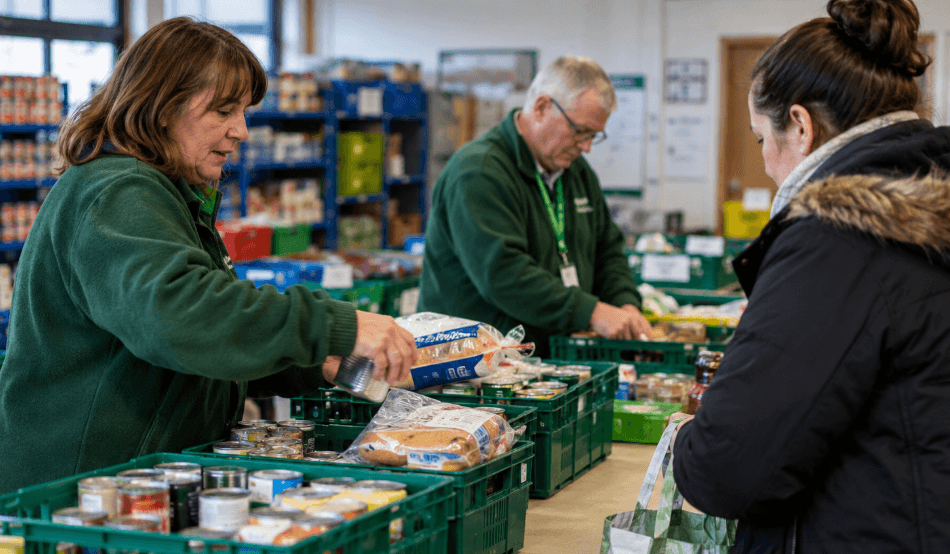
Families experiencing financial hardship in St Albans, England, are struggling to afford basic groceries, raising concerns about their ability to prepare for emergencies. Following UK government guidance encouraging households to maintain emergency supplies, St Albans & District Foodbank has warned that many residents cannot afford to stockpile food, water and other essentials.
Food Bank Warns Emergency Supplies Are Out of Reach for Vulnerable Families
The UK government’s national emergency preparedness guidance encourages households to keep enough food, bottled water, batteries and other essential items to last at least three days during emergencies, including power outages, severe weather and disruptions to public services.
However, St Albans & District Foodbank says the recommendations highlight a significant challenge for low-income households already struggling with rising living expenses and food insecurity.
For families who depend on emergency food assistance, purchasing additional groceries for future emergencies is often financially impossible.
Rukia Augustine, CEO of St Albans & District Foodbank, emphasized the difficulties facing vulnerable residents.
“The families and individuals that we see at the foodbank cannot afford to buy food this week, let alone stock up on emergency supplies – it’s just not financially possible for them. Storing three days’ worth of food isn’t a simple precautionary step – it’s out of reach.”
Food Bank Reassures Residents Facing Financial Hardship
The organization says it remains committed to supporting people who cannot afford sufficient food, regardless of their ability to follow national emergency preparedness recommendations.
St Albans & District Foodbank operates 10 centers across the district, providing emergency food parcels and additional assistance to residents experiencing financial difficulties.
Augustine encouraged anyone struggling to access food to seek support.
“We will continue to support the local people who need our service and we want to reassure anyone who is unable to afford food, that our foodbanks are here to support you. Please come along to one of our ten centres and our Wellbeing Team and volunteers will be there to help.”
The food bank operates six days a week, with volunteers and its Wellbeing Team assisting individuals and families facing hardship.
Citizens Advice representatives are also available at most centers, offering guidance on financial concerns and other challenges affecting household stability.
Community Donations Remain Essential to Emergency Food Assistance
St Albans & District Foodbank relies on donations from local residents and organizations to maintain its emergency food services.
As households consider preparing for potential disruptions, the charity is encouraging those with sufficient financial resources to purchase supplies responsibly while remembering neighbors who may be unable to afford basic necessities.
Augustine highlighted the importance of community support.
“We rely on donations to provide emergency food to those who need it. We ask anyone who is in a financial situation to be able to stock up themselves, to do so responsibly, and also consider those in need in their community, and donate to the foodbank if they can.”
The appeal underscores the connection between emergency preparedness and food insecurity, particularly for households that have little money remaining after covering everyday expenses.
Three Ways Residents Can Support Their Communities
The food bank has identified several practical steps residents can take to support vulnerable households while preparing for emergencies.
1. Donate essential supplies: Contribute nonperishable foods, including canned goods, bottled water and hygiene products, to St Albans & District Foodbank.
2. Check on vulnerable neighbors: Offer assistance to older adults, people with disabilities and other residents who may need additional support during severe weather or power outages.
3. Avoid panic buying: Purchase additional emergency supplies gradually during regular grocery shopping to help prevent unnecessary pressure on local supermarket inventories.
These measures can help strengthen community preparedness without placing additional strain on households already experiencing hardship.
Emergency Preparedness Guidance Raises Questions About Affordability
The UK government’s “Be Ready” emergency preparedness campaign encourages residents to maintain a three-day supply of essential items to help households manage unexpected disruptions.
Although the guidance is intended to improve public readiness, the food bank’s warning highlights the financial barriers that can prevent some households from following the recommendations.
For families experiencing food insecurity, immediate access to meals often takes priority over preparing for potential future emergencies.
The situation also illustrates a broader challenge familiar to communities in both the United Kingdom and the United States: emergency preparedness recommendations may be difficult to follow for people living paycheck to paycheck.
How to Access Food Assistance or Make a Donation
St Albans & District Foodbank provides emergency food and wider support through its 10 centers across the district.
Residents seeking assistance, as well as individuals interested in donating or volunteering, can visit the organization’s website at https://stalbansdistrict.foodbank.org.uk or call 01727 613019.
The organization also shares information through Facebook, Instagram and LinkedIn.
Supporting Vulnerable Households Remains a Priority
As the UK encourages households to strengthen their emergency preparedness, St Albans & District Foodbank is calling attention to residents who cannot afford to set aside even a few days of essential supplies.
The charity says continued donations, responsible shopping and community assistance are vital to ensuring that financially vulnerable households receive support during everyday hardship and unexpected emergencies.

George Orwell is a writer and contributor covering politics, society, culture, and current affairs. His work focuses on providing clear analysis and thoughtful commentary on the issues shaping modern Britain and the wider world, helping readers better understand complex topics.

