

São Paulo, SP (Vulhapress) – The International Monetary Fund (IMF) has indicated that global public debt is declining and 2022 should end at a value comparable to 91% of the wealth generated on the planet. The number has been declining, but is still about 7.5 percentage points higher than it was before the pandemic.
Despite this, the entity advocates that governments continue to prioritize the fight against hunger and, at the same time, take responsibility in fiscal management and are resolute in the fight against inflation.
On Wednesday (12) the Fund issued the report of the Public Finance Monitor. Brazil is expected to end 2022 with public debt in the range of 88.2% of GDP, and to reach 88.9% in 2023. The balance of development policy loans (federal public debt) in Brazil reached R$ 5.781 trillion in August, the latest available data, According to the Ministry of Economy.
Brazilian debt reached 60.2% of GDP in 2013, and has been rising steadily over the past decade. In 2020, it was 98.7%. Since then, it has begun to decline. In 2021, it closed at 93%. (See figures for other countries below.)
Despite countries’ high debt, the Fund recommends that governments continue to take measures to protect populations from crises and ensure access to work, income, and especially food. And to do so in order to maintain financial stability and thus reduce their levels of indebtedness.
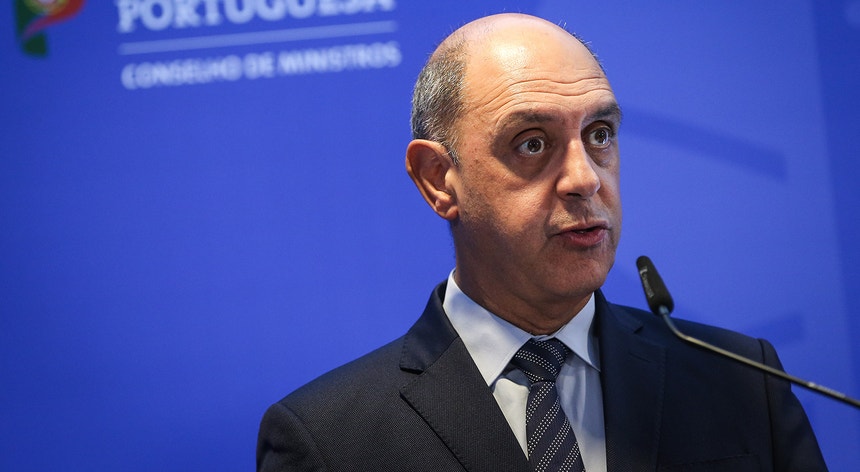
“After decades of poverty reduction, extreme poverty in the world has increased, and is expected to be much higher than [nível] “Before the pandemic,” said Vitor Gaspar, director of fiscal affairs at the International Monetary Fund, during the launch of the report.
“Budget and financial resources are scarce, but priority must be given to nutrition and food security,” he said.
In addition, the IMF is urging countries to work together to find solutions to facilitate access to food, fuel and other supplies. It advocates fair taxation, including more taxation of large profits and incomes.
The entity analyzed actions taken by more than 170 countries and found a pattern: Rich countries took more action to offset energy costs, and poorer countries prioritized ensuring access to food.
In the study, Brazil was cited by emergency aid. The document notes that “the effects of program stability far exceeded those of programs that existed before the pandemic.” As a result, the poverty rate and the inequality index decreased temporarily in 2020.”
High indebtedness of countries can lead to more inflation, because it involves the risk that governments will need to borrow at higher interest rates, or raise taxes, to get money for public spending. These two movements favor higher prices.
When investors estimate that a country will not be able to meet its obligations, they can withdraw money from there, creating a crisis. This is what happened in the UK recently, after a proposed inconsistently proposed tax cut scheme led to a sharp drop in the value of the pound. The British government backed away from this measure after coming under pressure.
“Markets are looking for certain facts in a very uncertain world. It is very difficult to achieve this in an uncertain world. It is necessary to manage policies with flexibility and a lot of humility,” Gaspard said.
This week, the International Monetary Fund is holding its annual Spring Meetings in Washington and releasing several studies. For the fund, this year Brazil’s economy should grow below the world average, the average in Latin America and the average in developing countries. According to the forecast, Brazil should see a GDP (GDP) growth of 2.8% in 2022, while the world should register an average growth of 3.2%.
In another report, the entity warned that risks associated with global financial stability have increased, and emerging countries, such as Brazil, are more vulnerable, as lending money abroad has become more difficult. “The global environment is fragile, with storm clouds looming,” the fund said in its Global Financial Stability Report released on Tuesday.

Agatha Christie is a journalist and feature writer specialising in culture, entertainment, books, and current affairs. She is committed to producing accurate, informative content that helps readers stay informed about the latest developments in the UK and beyond.