

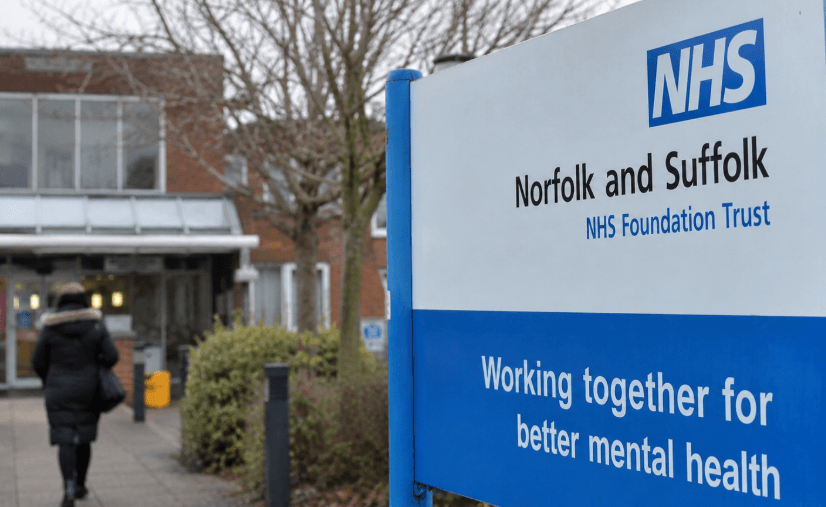
Clinical staff at Norfolk and Suffolk NHS Foundation Trust (NSFT) have raised concerns over staffing pressures and patient safety, with a union survey reporting widespread worries about workforce levels across mental health services.
The survey, conducted by GMB Union among mental health nurses and practitioners, found that 90 per cent of respondents considered staffing levels to be unsafe. Staff also reported increased workplace pressure and burnout linked to shortages, sickness absence and unfilled vacancies.
The union said its members had raised concerns about the impact of staffing pressures on both employees and patients, while also alleging that management had not sufficiently engaged with staff or union representatives over the issues.
Survey Highlights Concerns Over Mental Health Staffing
According to GMB, some employees reported that they or their colleagues had experienced greater workloads and burnout as a result of understaffing.
The union said members had also expressed concerns about staff welfare and the response from management when safety issues were raised.
A GMB member working at the Trust highlighted particular concerns within a Community Mental Health Team (CMHT).
“I am concerned more for patient safety at this stage in the CMHT (Community Mental Health Team).
“We are very short staffed due to sickness and staff resigning and not being replaced.”
The comments underline concerns from frontline workers about whether teams have sufficient staffing capacity to maintain services while dealing with absences and departures.
NSFT Position in NHS England League Table
The concerns come as NSFT is ranked 50th out of 58 organisations in NHS England’s community and mental health providers league table, according to information cited by GMB. The union said the Trust received the lowest possible rating for patient safety.
The league table provides additional context to the concerns being raised by employees, although the union survey represents the views of participating staff and does not by itself constitute an independent assessment of overall safety across every NSFT service.
Mental health trusts face particular workforce pressures because services often involve patients requiring complex or continuous support. Staffing shortages can also increase workloads for remaining employees, potentially placing additional pressure on retention and sickness absence.
GMB Calls for Greater Engagement With Trust Leadership
Ashley Foster, GMB Regional Organiser, said staff remained committed to providing care but believed current workforce pressures were making their jobs increasingly difficult.
“Our members are deeply committed to their jobs and their priority is the wellbeing and safety of their patients, who are often vulnerable.
“They work extremely hard to deliver the best possible care, but they are telling us that low staffing levels and management failure risk compromising patient safety.
“As NHS England’s data shows, the Trust is dysfunctional and its management is failing both staff and patients.
“We want the Trust’s leadership to know GMB’s door is always open for collaborative working to improve situation, they just need to knock.”
The description of the Trust as “dysfunctional” reflects GMB’s assessment and comes amid its calls for management to engage more closely with employees and union representatives.
Union Seeks Collaborative Approach to Staffing Issues
GMB said it wants discussions with NSFT leadership aimed at addressing staffing levels, workplace pressures and employee welfare.
The dispute places renewed attention on workforce management within the Trust and the potential effect of vacancies, sickness absence and staff turnover on mental health services across Norfolk and Suffolk.
For NSFT, addressing the concerns raised by frontline workers will involve balancing workforce availability with growing demands on mental health services. GMB has indicated that it remains willing to work with the Trust on potential improvements, putting the focus on whether management and staff representatives can establish a collaborative approach to staffing and safety concerns.

George Orwell is a writer and contributor covering politics, society, culture, and current affairs. His work focuses on providing clear analysis and thoughtful commentary on the issues shaping modern Britain and the wider world, helping readers better understand complex topics.

