

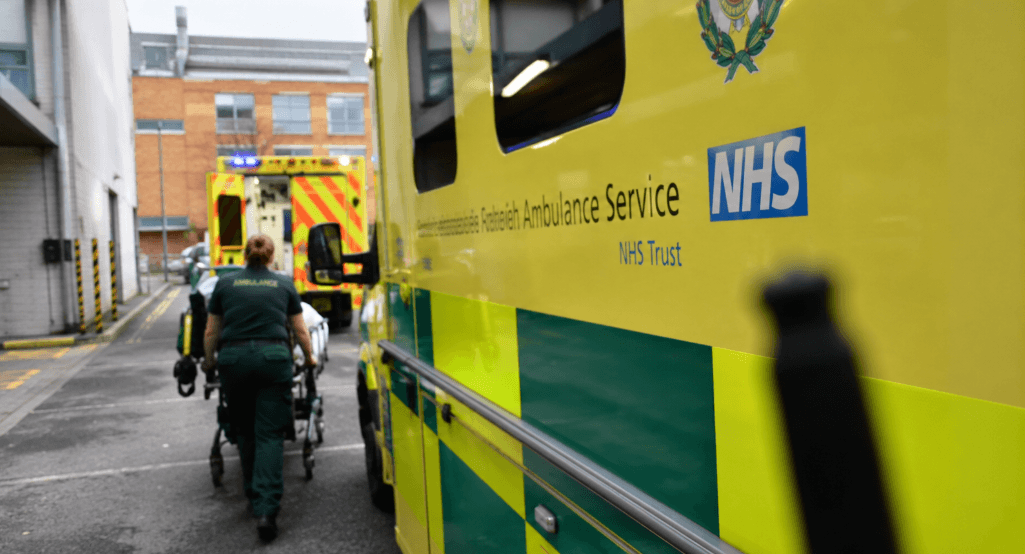
The East of England Ambulance Service NHS Trust has come under fire from union representatives over claims frontline staff are being pressured to limit the amount of time spent responding to emergency incidents, amid warnings the policy could compromise patient care and increase workforce stress.
GMB, which represents thousands of ambulance workers nationwide, said it has raised “serious concerns” with the Trust and its chief executive, Neill Moloney, regarding expectations placed on crews attending Category 2 emergency calls.
Category 2 calls are classified as emergency responses under NHS guidelines and include serious conditions such as strokes, epilepsy-related incidents and severe burns.
Staff Report Pressure to Meet 42-Minute Target
According to the union, ambulance staff within the Trust are expected to spend no longer than 42 minutes at the scene of a Category 2 incident before moving on to the next call.
GMB claims staff who remain at a scene for between 42 and 60 minutes are being required to justify the time spent to managers. The union further alleges that crews exceeding 60 minutes at an incident may be temporarily removed from active duty for management meetings, reducing the number of frontline hours available to patients.
Union officials also said they understand some employees who repeatedly exceed the 60-minute threshold could face formal capability procedures, potentially putting their jobs at risk.
The prospect of losing experienced patient-facing staff has raised concerns about additional strain on already stretched ambulance services across the East of England.
Frontline Workers Warn Patient Care Could Suffer
One GMB member employed by the Trust described the expectations as unrealistic and warned they risk prioritising response metrics over patient outcomes.
“It’s an unrealistic expectation and having my performance evaluated based on something that can be out of my control is unfair. Patient care should be at the forefront of our role and not performance figures,” the worker said.
“This is just not feasible for most of our patients, we have become a largely primary care service, time and patience is often required. I am aware and try for 42 minutes but this should not at the detriment of my patient.
“Knowing I’m being measured on those metrics is a stressor and potentially mean I might not get the patient the right care but just the quickest.”
The concerns come as ambulance trusts across England continue to operate under pressure to improve response times following years of sustained demand growth, hospital backlogs and workforce shortages.
GMB Calls for Urgent Policy Review
Union representatives argue that rigid performance expectations fail to reflect the complexity of incidents crews regularly attend, particularly where vulnerable or elderly patients require extended assessment and support before being transported or referred to other services.
Gavin Davies, senior organiser at GMB, criticised the reported policy and called for an urgent review.
“This absurd policy fails to take into account the variety of incidents our skilled and dedicated members are asked to attend,” he said.
“Our members’ first priority is patient safety, and no one should place an arbitrary and potentially dangerous time limit on how long it takes to ensure an individual patient receives the care they need.
“We are hearing of members experiencing high levels of stress as a result of these demands which, combined with an already high-pressure job, is a recipe for burnout.
“We are calling on the Trust to urgently review its policy and stop punishing our members for doing their best for patients.”
Growing Pressure on NHS Ambulance Services
The dispute highlights wider concerns over staff retention and operational pressures within NHS ambulance services, where burnout and workforce fatigue have become recurring issues in recent years.
Healthcare unions have repeatedly warned that increasing performance demands, coupled with long shifts and rising patient numbers, are contributing to worsening morale among frontline workers.
As NHS trusts continue balancing emergency response targets with staffing and financial pressures, the controversy is likely to intensify scrutiny over how ambulance services measure performance without compromising patient care and employee wellbeing.

George Orwell is a writer and contributor covering politics, society, culture, and current affairs. His work focuses on providing clear analysis and thoughtful commentary on the issues shaping modern Britain and the wider world, helping readers better understand complex topics.

