

In 2011, the story of a Finnish tourist broke the national press, exposing northern Europe’s reluctance to pay the country’s ransom. After 12 years, Portugal has closed the gap with Finland in terms of debt-to-GDP ratio, but the gap is still large.
It was in 2011 when a story about a Finnish tourist appeared in the national press at a time when Troika intervention in the country was approaching. In April of that year, the then leader of the PSD told a story about a visit to Madeira.
“The truth is that you finally got up, before you left, you passed by our table, and in a supreme tone as if you had never had a bad meal, you turned to us with your finger like that, and you said: ‘I really hope I don’t have to pay for the meal you are preparing when I get to Finland,’” he said. Pedro Passos Coelho was, at the time, only a few months away from becoming Prime Minister. The story revealed the reluctance that existed in many northern European countries to accept Portugal’s bailout and its impact on their national accounts.
After 12 years, Portugal has begun to reduce public debt, but the country still has a long way to go to reach a debt-to-GDP ratio at Nordic levels.
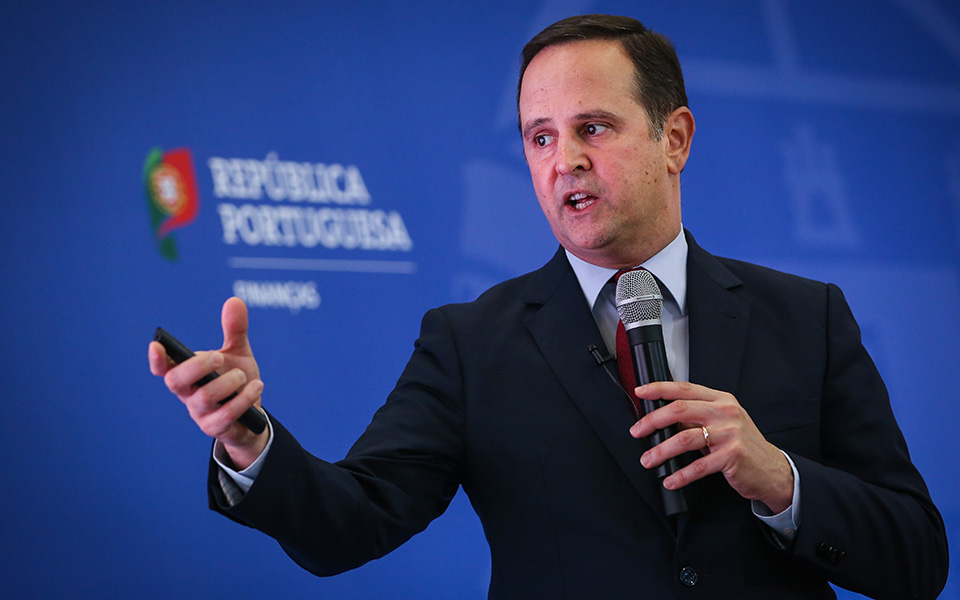
“Reducing public debt would leave Greece, Italy, Spain, France and Belgium far behind. Finland is the next country,” the Finance Minister said on Wednesday, referring to a debt-to-GDP target of less than 100% at the end of 2024, according to the Evaluation Office’s proposal for the year Next.
Looking at Finland, the country is expected to end 2023 with a debt-to-GDP ratio of 73.6%, with Portugal closing the year at 108.6%, according to IMF forecasts.
But the Portuguese government has a more optimistic forecast, now estimating that the country will reach 106.1% at the end of this year. This is a more recent forecast, as this year the Evaluation Office expected a higher value (about 111%).
For 2024, the government estimates a lower value: less than 100%, back to 2009 levels, at 98.9%. In Finland, the proportion is expected to rise by about three points to 76%, according to European Commission forecasts.
However, there is still a long gap between the two countries in terms of debt-to-GDP ratio: 20 points.
Recently, Eurostat released debt data for the second quarter of this year: debt in Portugal fell from 122% in the same period last year to 110%, with debt in Finland rising from 72.5% to 74.6%.
The European ranking is topped by Greece (160%), Italy (140%), France, Spain and Portugal (about 110%), while the Eurozone average is 90% and the European Union is 80%.
In absolute terms, Portugal’s debt is €280 billion compared to Finland’s €206 billion, a far cry from France’s €3 billion, Italy’s €2.8 billion, Germany’s €2.5 billion, or €1.5 billion behind Spain.
For this year, the Finnish economy is expected to decline (-0.1%), with the Portuguese economy growing by 2.3%. The inflation rate in Helsinki is 4.5%, and in Lisbon is 3.3%. The national unemployment rate is about 6.6%, while Finland’s unemployment rate is 7.3%, according to the International Monetary Fund’s latest forecast for this year.
Back in Medina, the minister said that Portugal would have “a lower cost of financing the Republic than eleven other member states, including top-ranked economies such as Spain, Slovenia and France.”
The debt reduction path will translate into “tangible savings for families” and also “lower financing costs for companies,” according to his speech during the National Conference of the Economists held on Wednesday in Lisbon.

“Writer. Analyst. Avid travel maven. Devoted twitter guru. Unapologetic pop culture expert. General zombie enthusiast.”