
Filling your car's tank is a very common practice. However, those who have already done so may not have given due attention to the potential risks involved. It's not the worst thing you can do to your car, but there are many reasons to be careful. So don't make this big mistake when you put gasoline or diesel in your car!
Don't make this mistake when putting gasoline or diesel in your car!
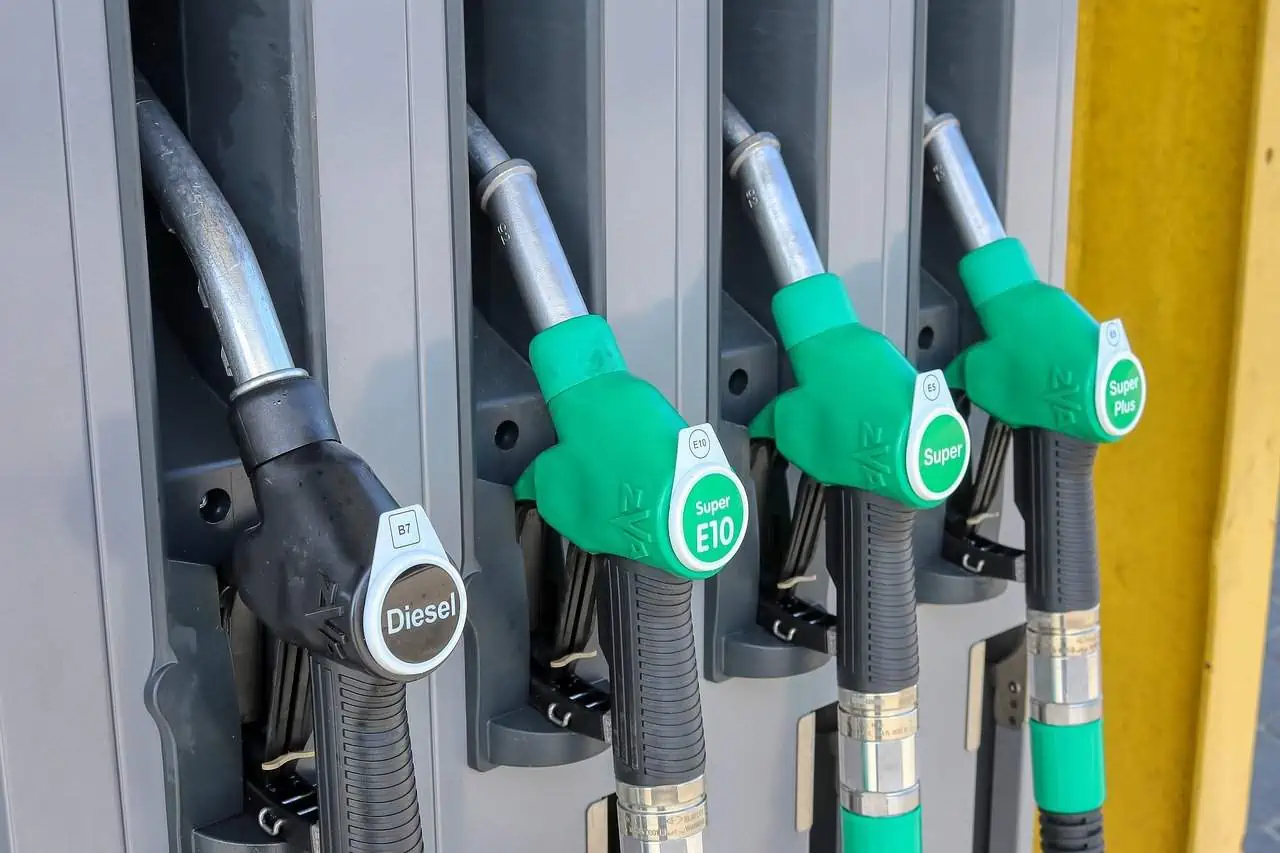
To be clear, we're referring to filling your car's tank more than recommended by the manufacturer. In other words, bypass the system designed to prevent this from happening. Many gas pump fuel nozzles have an automatic shut-off feature that prevents overfilling. However, it is possible to go around it and add more fuel until the fuel filler neck is full as well.
This may cause fuel to flow out of the tank when turning. Not only is this wasteful, but depending on the location of the tank in the car, fuel can leak into the car's hot exhaust and cause a fire, especially if it's gasoline-powered. Diesel vehicles are safer in this regard. This is because the fuel itself is less likely to flammable due to high temperatures. In other words, you can throw a lit match into a pool of diesel and it will simply go out.
Filling the tank to the brim also means you're carrying extra weight. This means a small penalty in fuel efficiency. The extra weight also affects handling, and in cars with larger tanks, you may feel the fuel squirt, changing the car's trajectory when cornering.
Fuel tanks are not designed to be completely filled
There are many reasons why car manufacturers don't want you to fill your car's tank to the brim. Especially if it runs on gasoline. The fuel system contains valves that control the pressure created by the buildup of gasoline vapors. But if you overfill the tank, it may become clogged with fuel, which can cause damage.
These valves are also designed to prevent a vacuum from forming in the fuel system, as this can also cause the vapor recovery system to fail. This, in turn, will cause the check engine light to appear on your dashboard and may cause the engine to stall while driving. Overfilling may also damage the charcoal canister (also known as an EVAP canister). The job is to capture fumes, purge the system and help keep emissions within specifications.
Pay attention to the evaporative emissions system
If the evaporative emissions system malfunctions, it can cause fuel vapors to travel through the system and even reach the vehicle's exhaust system.
This will affect emissions (to the extent that your car may fail a technical inspection). It will also hurt fuel efficiency. Furthermore, it can cause damage to the catalytic converter (which will further affect emissions).

Unburned fuel vapors from the fuel system that pass through the engine also increase wear over time, requiring more maintenance than would otherwise be necessary. These dispersed fumes can also affect the vehicle's oxygen sensor. This may cause erratic operation or burn more fuel than necessary. All of this impacts emissions and performance and ultimately leaves you spending more money to keep your car running and enjoying your property less.
Driving problems
If you drive a vehicle with a large fuel tank that you've just filled, and then do a spirited drive on a winding road, you're sure to notice the effect of all the fuel spread around the tank. The more fluid, the greater the fuel inertia. If it spills all at once, you may feel it as light smacks coming from where it was in the car (usually from the back).
On some vehicles, the tank is located behind the rear axle. If it's full, its extra weight combined with the aforementioned spillage can act like a pendulum. In some cases (usually due to low grip conditions), the pendulum effect can be so severe that it can cause the rear tires to lose grip and potentially cause the vehicle to run off the road and into a ditch.
Now you know what care you should take when putting gasoline or diesel in your car.

“Writer. Analyst. Avid travel maven. Devoted twitter guru. Unapologetic pop culture expert. General zombie enthusiast.”