

A campaigner who began fighting for restrictions on junk food advertising while still at school has warned that the government’s newly introduced ban has been weakened by corporate lobbying, allowing major brands such as McDonald’s to continue reaching children through brand-led advertising.
Dev Sharma**, now 20, has spent six years campaigning for tighter controls on the marketing of food high in fat, salt and sugar (HFSS). He secured political backing for the policy as a teenager, with the measures ultimately included in the Queen’s Speech when he was just 16. However, as ministers promote the legislation as a “world-leading” intervention, Sharma says its impact has been undermined.
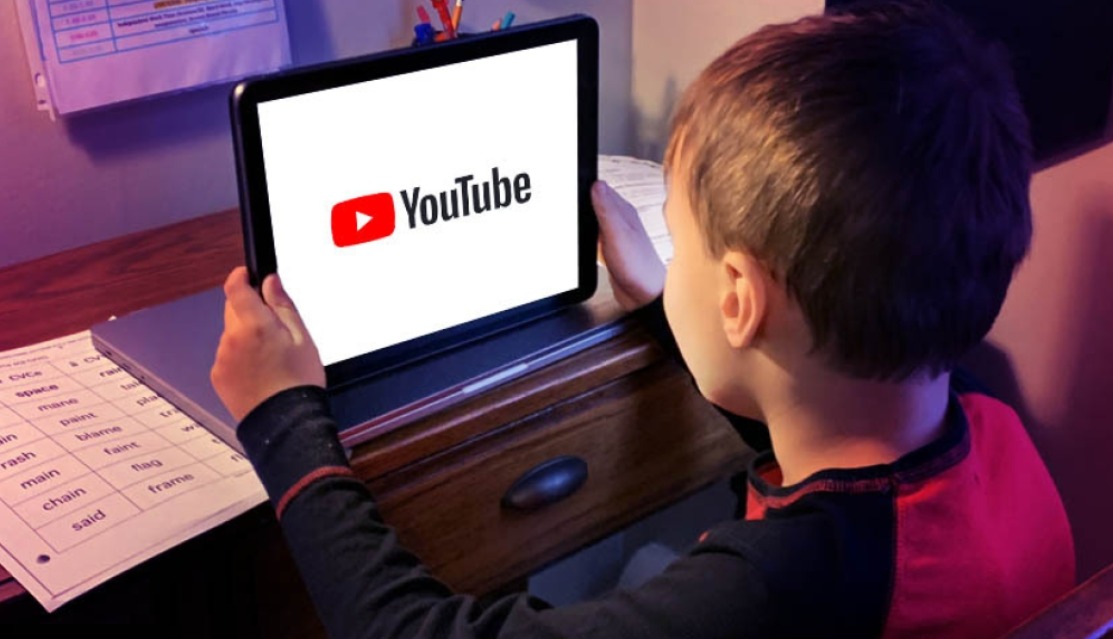
“This ban has more loopholes than a box of Cheerios,” said Sharma. “McDonald’s can still broadcast ‘I’m Lovin’ It’ into the bedrooms of kids watching YouTube after school. They just can’t show a burger. The manipulation hasn’t stopped. It’s got smarter.”
Under the new rules, HFSS product advertising is banned before 9pm on television and at all times online. However, a so-called brand exemption allows companies to continue advertising logos, slogans, mascots and other non-product imagery. The exemption was added following lobbying by the food and advertising industries, and critics argue it significantly reduces the effectiveness of the restrictions.
Sharma says this distinction between products and brands fails to reflect how children experience advertising in practice. “From the moment we’re born, junk food marketing has us surrounded,” he said. “It’s forced down our throats. It’s the cultural wallpaper. This ban was supposed to rip that wallpaper down. Instead, we’ve peeled off one layer and left the rest.”
He argues that children are exposed to a continuous stream of marketing across digital platforms and physical spaces, creating what he describes as a seamless advertising environment. “It wasn’t just online,” said Sharma. “I’d see a fried chicken ad on Instagram at 3:15pm, right before the school bell rang. Then I’d walk out and see the same branding on the bus stop. They built a corridor of temptation from my classroom to my front door.”
Sharma began campaigning during lockdown from his bedroom in Leicester, after becoming frustrated by junk food adverts interrupting his GCSE revision on YouTube. “I was 16, trying to watch a maths tutorial on YouTube,” he recalls. “I couldn’t learn a quadratic equation without being interrupted by a burger ad. My phone knew I was hungry before I did.”
In response, he launched an open letter to then prime minister Boris Johnson, with each signature automatically emailed to Downing Street and the Health Secretary. The campaign attracted tens of thousands of supporters and gained high-profile backing from celebrity chef Jamie Oliver. Sharma was subsequently invited to meet ministers, and the proposed ban was announced as part of the government’s legislative agenda.
Six years later, he says little has changed in the tactics used by major food brands, despite the introduction of the ban. “I was 14 when I started this. I’m now 20. This law consumed my entire teenage years. And I’m watching the food giants walk through the backdoor we spent six years trying to close.”
The government has highlighted estimates suggesting the policy could remove billions of calories from the national diet. Sharma disputes that framing, arguing that brand advertising can be just as effective as product-led marketing. “While the government celebrates removing 7.2 billion calories, McDonald’s is already running brand campaigns that do exactly what product ads did. The golden arches are more recognisable to British kids than the England flag. You don’t need to show a Big Mac to sell one.”
Public health experts have long warned that brand recognition plays a significant role in shaping children’s food preferences, even when specific products are not shown. Critics of the exemption say it risks creating a two-tier system in which the most powerful brands, with the largest marketing budgets, continue to dominate children’s attention.
Sharma is now calling for an urgent review of the legislation, urging ministers to revisit the exemption within six months and to commit to closing all remaining loopholes by 2027. “Children deserve protection that actually protects them,” he said. “Not a ban with a backdoor.”
As the debate over the effectiveness of the new restrictions intensifies, Sharma’s campaign highlights the growing tension between public health policy and commercial interests, and raises questions about whether the UK’s landmark advertising ban will deliver the outcomes it promises.

“Friendly zombie fanatic. Analyst. Coffee buff. Professional music specialist. Communicator.”

